

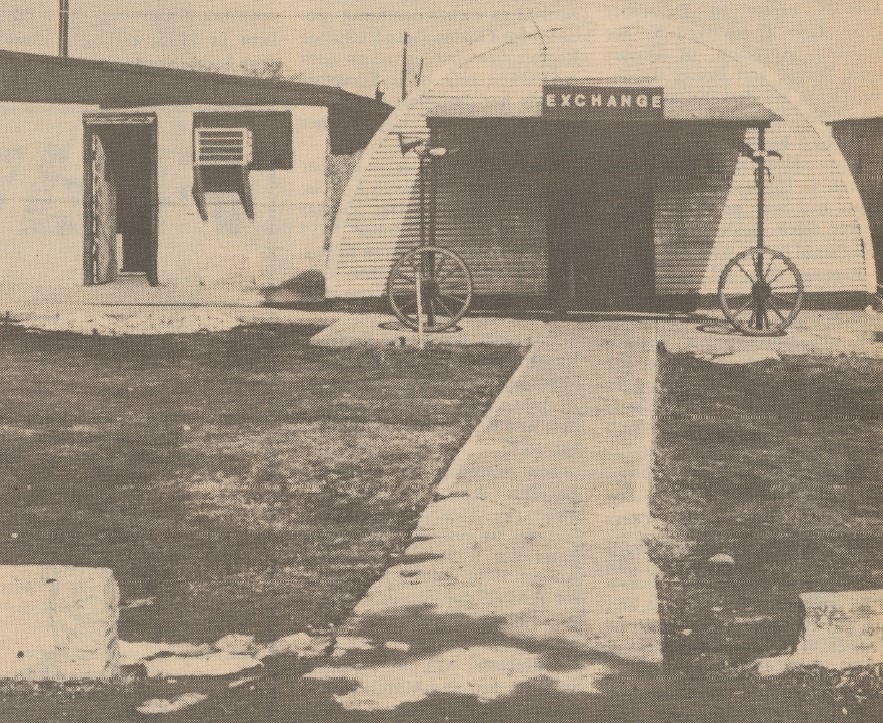
Sixty-six years ago, in late July 1959, the Air Forces Europe Exchange (AFEX) opened stores at Athenai Air Base in Athens, Greece, and at Iraklion Air Station on the Greek island of Crete.
Exchange activity in Greece dated to January 1948, when the U.S. Army Group-Greece set up a PX in the American Mission in Athens, about a month after the Joint U.S. Military Assistance and Planning Group-Greece was established to provide assistance to Greek armed forces. In January 1958, the Joint Military Aid Group to Greece Exchange merged with the AFEX Exchange.
Details about the Greek Exchanges aren’t easy to find in Exchange Post archives. According to an April 1975 Exchange Post story about the Iraklion Air Station Exchange, regular shipments of merchandise, food and beverages arrived via a ferry that made daylong voyages from Piraeus, on the Greek mainland, to Crete. The store was a 10-minute walk away from the Sea of Crete and the beach, where the Exchange operated the Beach Snack Bar from April through September. The Crete Exchange included barber and beauty shops, a tailor, a dressmaker, a merchandise repair shop, shoe repair and shine, and photo finishing.
It’s unclear when the Iraklion BX closed, although the Air Station closed in 1993. CRETAquarium, one of the largest aquariums in Europe, now occupies the northwestern corner of the former base.
In February 1976, Athenai Air Base was renamed Hellenikon Air Base. Other than a 1985 photo caption about the BX’s supplying an imprest-fund operation in Argyroupolis, a three-day drive away in northern Greece, most mentions of the Athenai/Hellenikon BX are about associate transfers and retirements.
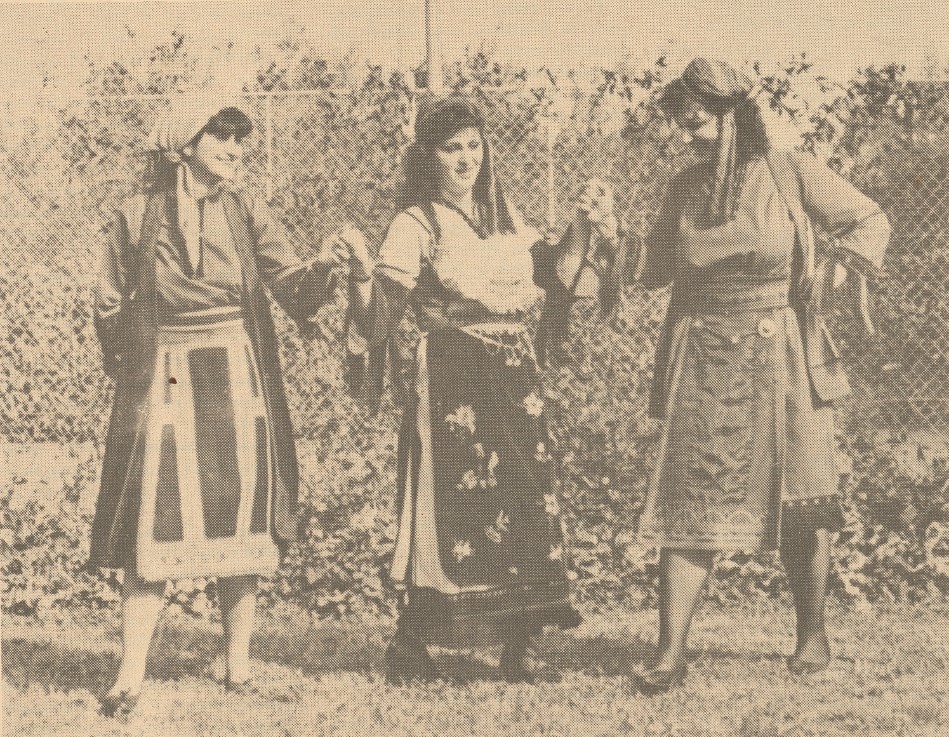
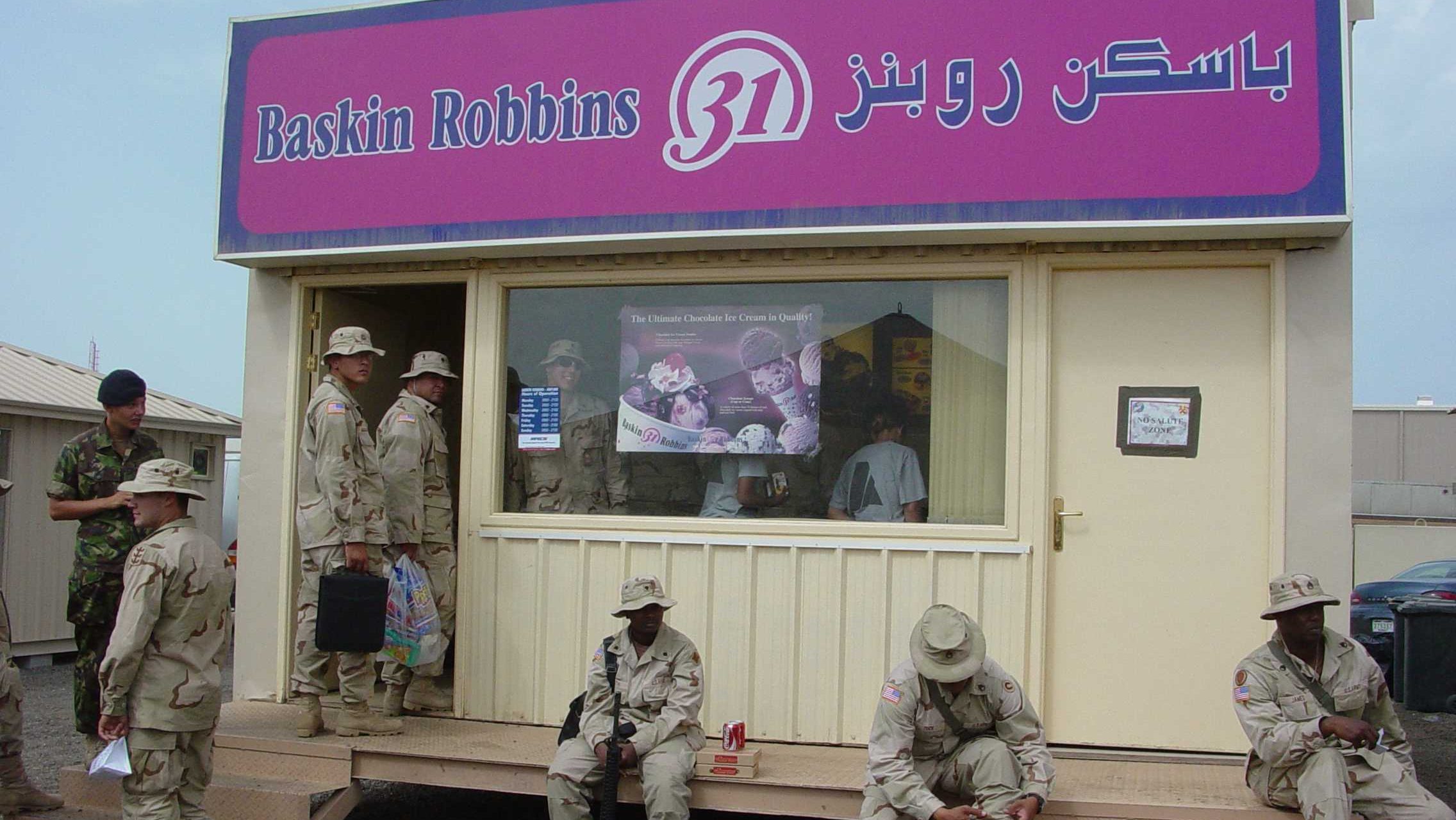
Associates did enjoy the local culture, though. In spring 1986, when a new Shoppette opened in the “Apollon Palace” Consolidated Open Mess at Hellenikon, the Exchange staged a band and folk dance performance with associates dressed in traditional costumes. The same associates performed at the grand opening of a Baskin-Robbins later that year.
As the Cold War wound down, Hellenikon began to prepare for closure during the early ‘90s. But activity at Hellenikon increased after Operation Desert Shield/Storm began in 1990. Flights would take off from Hellenikon for Saudi Arabia.
Two Greek national associates, Crossroads Cafeteria Manager Alkiviados Apostolou and Shoppette Manager Panagiotis Vionis, were recognized for their exceptional service during Desert Shield/Storm.
Apostolou kept the cafeteria open 24/7, despite the continual loss of team members because of the impending base closure.
“The hours were very long and at one point, I worked 36 consecutive hours,” Apostolou told the Exchange Post. “I had great respect for the mission the troops were performing and felt they were deserving of any service that I could provide. I felt the extra hours that I was putting in were the absolute minimum when compared to the sacrifices the troops were prepared to make.”
Although some sources say the Greece Exchange was deactivated in 1990, a story in the July/August 1991 Exchange Post indicates that it was deactivated on July 1, 1991. Hellenikon AB itself was decommissioned in 1993.
SOURCES: Exchange Post archives; “One Hundred Years of Service: A History of the Army and Air Force Exchange Service” by Col. Carol Habgood, U.S. Air Force (retired) and Lt. Col. Marcia Skaer, Air Force; 55th Wing Public Affairs; 55th Wing Association; CRETAquarium.



Share your thoughts!