

Director/CEO
Team,
As we move into the second half of the year, the Exchange benefit is delivering impressive results for the heroes we are honored to serve. Through the second quarter, earnings are $251 million, 11% above prior year. These amazing results are a direct reflection of our unwavering dedication to America’s military community.
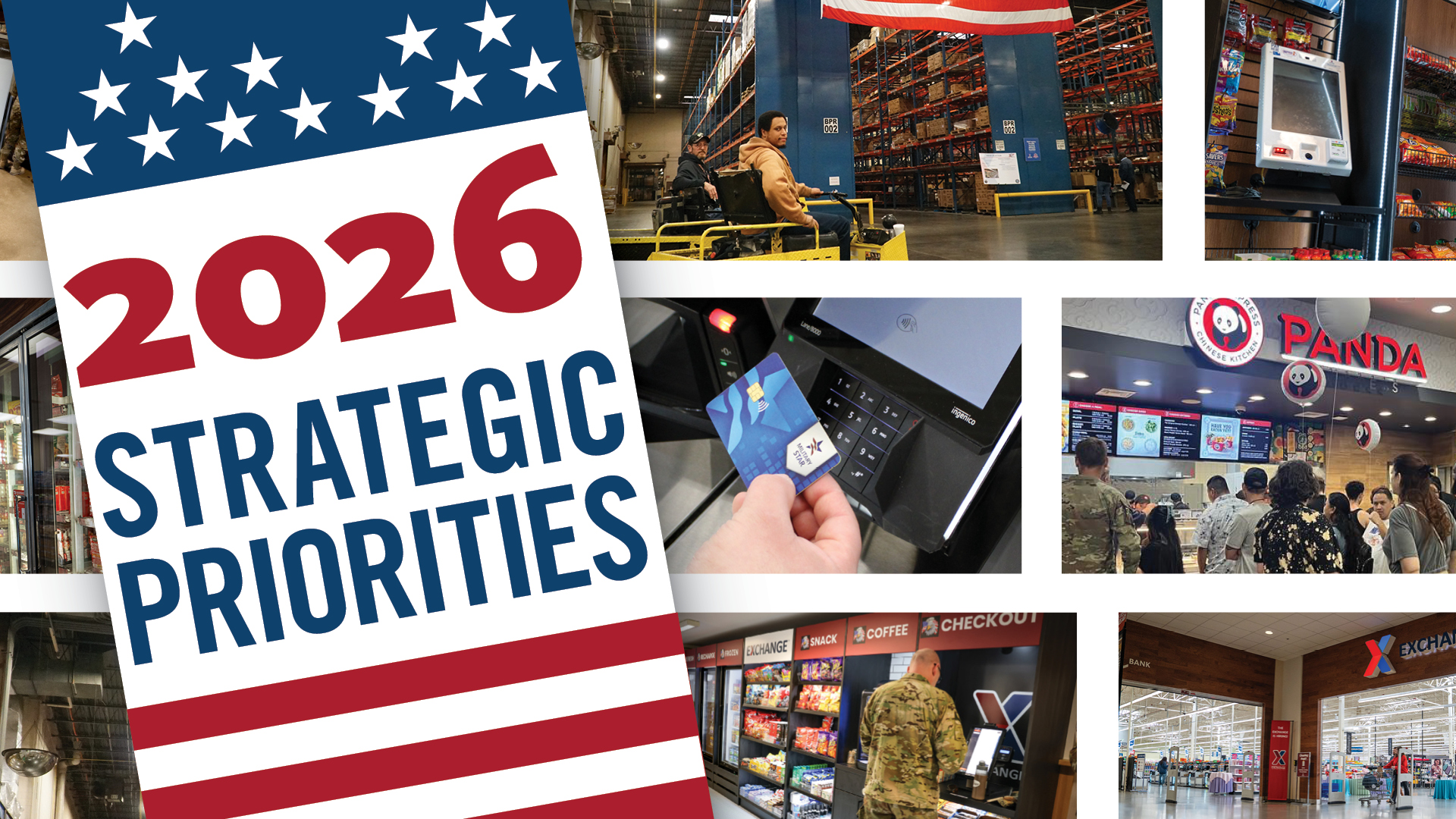
This year, we set goals aligned with the Office of the Secretary of War. These initiatives are increasing efficiencies while tangibly strengthening support to Warfighters and families.
Here is a midyear update on what we’ve accomplished:
Strengthen Military Resale: In July, the Exchange and its Joint Buying Alliance partners—the Navy Exchange Service Command, Marine Corps Exchange, Coast Guard Exchange and Defense Commissary Agency—met at NEXCOM headquarters in Virginia Beach, Virginia, including a representative of the Office of the Deputy Assistant Secretary of War for Military Community and Family Policy. Several topics were discussed, including nutritional readiness and the MILITARY STAR card.
Since it was formed in 2019, the alliance has saved military shoppers more than $300 million through discounts, promotions and military-exclusive pricing. The partners are expanding cooperative efforts by focusing on inventory productivity, with an emphasis on high-impact categories and strategic vendor opportunities for enhanced buying power.
Collaboration has expanded to include food, health and wellness, telecom, fuel, procurement, real estate, marketing and more.
The Real Estate Directorate, under the direction of Senior Vice President COL(R) Juan Saldivar, continues to improve the shopping experience while managing costs to maximize investment returns. Projects completed in the second quarter included:
- Eglin AFB Duke Express image upgrade
- Elmendorf Express renovation
- Construction of Panda Express with drive-thru at Yokota AB
- Hickam AFB Burger King renovation
- Offutt AFB Starbucks image upgrade.
Propel Modernization: The Exchange is accelerating adoption of artificial intelligence through online training, Q&A sessions and hands-on workshops. While Microsoft Copilot is the most familiar entry point to AI for most associates, more than 1,000 have been authorized to access Perplexity, and participation grows.
The average Exchange AI user reports weekly time savings of 2.5 hours, allowing them to redirect attention to higher-priority responsibilities, conduct more thorough analyses and take on additional work. The time saved by using AI is expected to save the Exchange more than $1 million through the end of September.
AI isn’t replacing people. It’s empowering associates to improve productivity and support of our military community. With this in mind, our Chief Information Officer Chad Lucas and the IT AI team launched virtual “office hours” sessions to further accelerate integration of AI into all possible workflows. The team is also holding directorate workshops and training sessions as AI usage continues to grow.
Advance Logistics Delivery: The Exchange got a jump on this goal in late 2025 when the Dan Daniel Distribution Center and IT teams brought a goods-to-person automation center online. The system became 100% operational at the end of July. By using shuttles and conveyor systems to bring merchandise to DC associates, the system reduces physical strain and streamlines workflow.
Chief Logistics Officer Eric Boen and the logistics team upgraded warehouse management systems at the West Coast and Germersheim Distribution Centers and are leveraging AI to create internal processes to replace legacy systems at Pacific Region DCs. These upgrades are already increasing productivity and reducing expenses.
In another expense-reducing move, the Exchange moved its Topeka fleet switch point to Fort Riley, producing an estimated $180,000 annual reduction in spending and $324,000 in future cost avoidance.
Reach More Patrons: Until this spring, Department of War regulations restricted military exchanges from selling certain items, such as diamond settings with individual stones that exceed one carat, and more. Thanks to the hard work of the Exchange’s Chief Merchandising Officer Eric Sidman, Senior Vice President of Government Affairs Gregg Cox and our merchandising, services and policy teams, these restrictions have been eliminated, further expanding the product assortment the Exchange provides. This fall, customers will start to see the effects of this change, as items such as high-end jewelry become available online and in stores.
In November 2025, the Exchange launched its Google Paid Search program, leveraging keywords that highlight Veterans’ exclusive online shopping benefits. The program has become a significant driver of eCommerce growth and customer acquisition.
Champion Customer Experience: In early August, the Army’s Flexible Eating & Expanded Dining (FEED) program launched at Fort Stewart. The program allows Soldiers to use their daily meal entitlement for select meals at approved Exchange name-brand restaurants, including Qdoba, Subway, Starbucks and Burger King. Military dietitians determine FEED-approved menu items at Exchange restaurants and military dining facilities. As of Aug. 31, more than 26,000 meals had been served through Exchange restaurants at Fort Stewart.
FEED provides added choices and flexibility beyond traditional dining facilities. The successful launch, the result of a collaboration across several Exchange directorates, reflects the Exchange’s longstanding commitment to enhancing nutritional readiness.
Beyond the FEED program, the Exchange’s Services, Food and Fuel team, under the leadership of Senior Vice President Denise Hunter, is leaning forward to establish additional partnerships with emerging restaurant brands. More established restaurant brand partners are actively identifying and developing additional better-for-you menu offerings for Exchange locations, which will be prominently featured on posters and other signage at our restaurants and food courts.
This focus on better-for-you options is a feature at the 20 name-brand restaurants the Exchange has added to its portfolio in 2026. Key openings in the second quarter include:
Panda Express: Opened in May at Yokota AB, Fort Bliss and Fort Sill.
Qdoba: Opened in June at Osan AB in South Korea.
Moe’s Southwest Grill: Opened in July at JBLM-Fort Lewis in Washington and Joint Base Elmendorf-Richardson in Alaska. Both are the first Moe’s locations in their states.
Tropical Smoothie Café: Opened in July at Fort Hood’s Warrior Way Fitness Center.
Also:
- In June, the Exchange launched an innovative vending partnership at Fort Lee with Factor Meals, which provides fresh, nutritious chef-prepared meals for on-the-go customers.
- The Exchange opened 27 quick-serve restaurants with grab-and-go options at 23 Express locations through July. The Exchange also opened 39 self-service markets through July, for a total of 772.
- Increasing connectivity has been a priority for the Exchange, which added more than 146,000 customers to internet plans in the first half of the year.
- In March, the Exchange launched the My Exchange app, which continues to demonstrate consistent performance. More than 34,000 unique users have completed at least one purchase, while revenue per user remains strong at $103 and conversion is holding steady at 4%.
As always, the Exchange will be there for service members and their families. Together, we will further strengthen the hard‑earned benefit for Warfighters and their families, wherever they live and serve.
Serving those who serve is the ultimate honor and responsibility.
Thank you,
Brad

Share your thoughts!