

In brief:
- The Kagnew Station Exchange opened 84 years ago in Eritrea
- A fire destroyed most records of the PX’s first 15 years
- And then there’s the mongoose story …
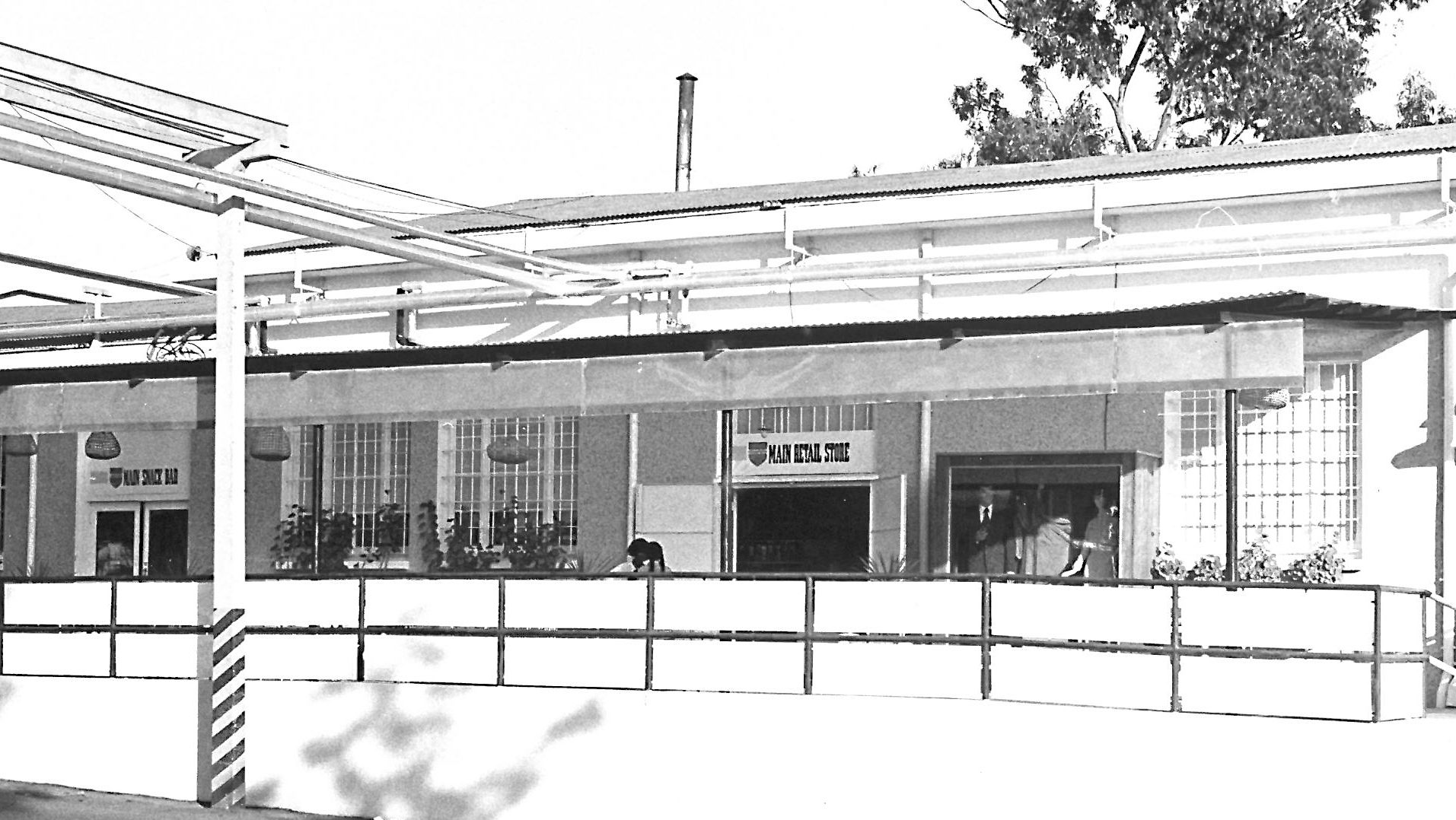
Eighty-four years ago, in October 1942, the Kagnew Station Exchange opened in Asmara, Eritrea, now an independent republic but at the time federated with the kingdom of Ethiopia.
One of several PXs that opened in North Africa during the early days of U.S. involvement in World War II, Kagnew Station originally operated as an independent Exchange. Initially, it shared a building with the post theater and Exchange concessions. Eventually, it grew into a complex of 19 exchange activities on Kagnew Station, as well as a central warehouse in Asmara and a branch store 500 miles away in Addis Ababa that supported the Military Assistance Advisory Group.
Headquarters for Middle East operations were originally planned for Eritrea, with the port at Massawa to be the main supply port. Eritrea was also being developed to assist in ferrying planes to the China-Burma-India theater. But the fighting was over in Eritrea long before the United States arrived there.
When the Germans were stopped at El Alamein, the Eritrea situation changed significantly. Construction of port, manufacturing and air base facilities stopped. However, Eritrea was an ideal location for radio transmission and reception. Beginning in 1952, the U.S. used the facility as a major link in a worldwide communications network. A radio station was built there, and it became the biggest and busiest in the Army.
Most of the records of the Kagnew Station Exchange’s first 15 years were lost when a fire destroyed the main Exchange building and several other structures in 1957. Five months after the fire occurred, the Exchange opened a new building, offering additional services, including a bowling alley and concessions for flowers, photo developing and a fruit and vegetable shop.
According to a 1964 article about what it was like to live and work in Eritrea, the country’s houses had no closets or cabinets, so incoming associates were told to be prepared for that. But the houses did have high ceilings and fireplaces (Asmara is roughly at the same latitude as St. Louis, but at an elevation of 7,600 feet above sea level, making for cooler days and nights).
There were also occasional surprises at the store: One general manager encountered a mongoose on his first day in the store. “The mongoose, about three feet long and an instinctive killer of snakes, had escaped from an exhibit at the Ethiopian Expo 72 being held in Asmara,” the Exchange Post reported. “The animal somehow made it to the post and was being chased by the military police when it entered the store to avoid capture. Customers and salesclerks fled quickly, closing doors and allowing military police and veterinary personnel to make the capture.” (The animal was safely returned to the Expo.)
In 1968, the Kagnew Station Exchange officially became part of the European Exchange System, ending its more than 25 years as an independent Exchange. On July 1, 1973, the Kagnew Exchange transferred to the Navy. AAFES appears to have maintained operation of the Addis Ababa branch until 1977, when deteriorating relations between the U.S. and the military junta that controlled Ethiopia led to most Americans being expelled from the country.
At the time, Exchange operations in Africa ended, but the Exchange now has a direct-run Exchange at the American Embassy in Cairo, Egypt, as well as imprest-fund operations — stores supplied by the Exchange but operated by the military —in Kenya and Djibouti. Eritrea gained its independence from Ethiopia in 1993; tensions between the two countries continue to make headlines today.
SOURCES: Exchange Post archives, “One Hundred Years of Service: A History of the Army and Air Force Exchange Service” by Col. Carol Habgood, U.S. Air Force (retired) and Lt. Col. Marcia Skaer, Air Force; 55th Wing Public Affairs

Share your thoughts!